Flood cleanup in Houston
After a flood, the first days are about removal: water, mud, soaked flooring and drywall. The EPA’s flood cleanup guide points to professional cleanup when sewage may be involved[EPA flood cleanup guide], which is common when streets in Houston flood.
FEMA’s advice is to start cleanup as soon as it is safe, because wet materials keep deteriorating[FEMA]. The CDC recommends rubber boots, gloves and goggles during flood cleanup[CDC].
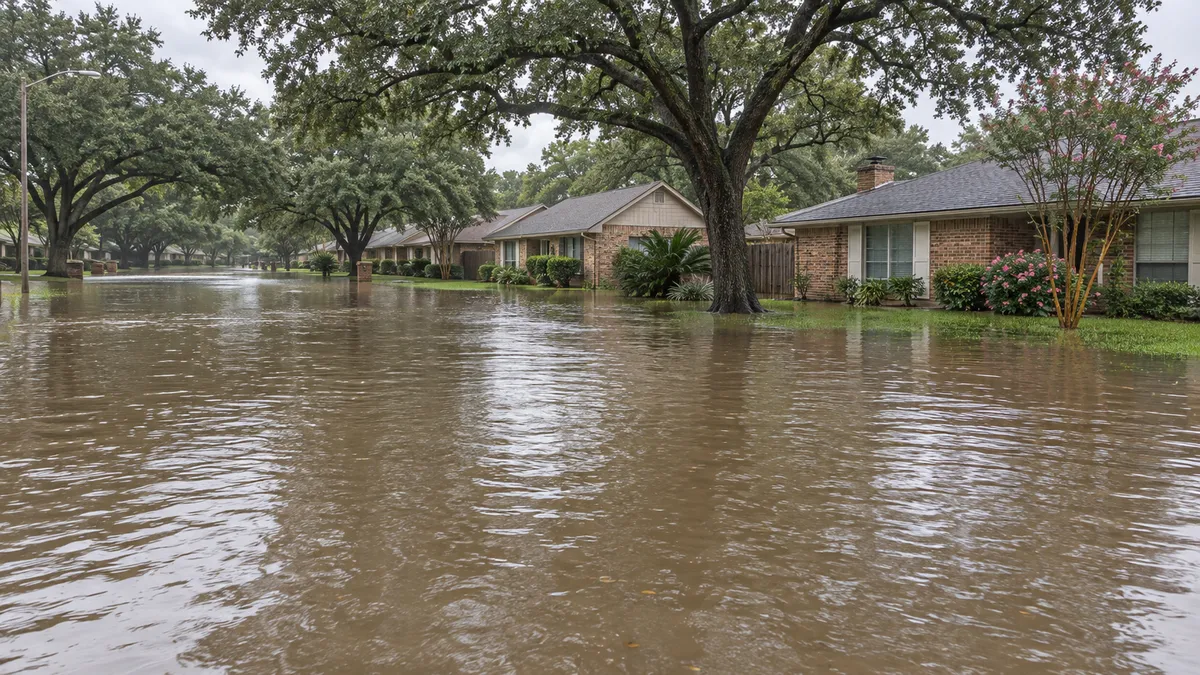
How the job usually runs
- Safety first. Power off to flooded areas; no wet electrical work[CDC].
- Muck out. Water and mud removed, debris bagged.
- Strip. Wet drywall, insulation and flooring removed[FEMA].
- Clean and dry. Surfaces cleaned and dried to readings.
Avoid
- Running gas-powered equipment indoors[CDC].
- Leaving wet drywall in place to “see if it dries.”
Flood cleanup and Houston homes
Harvey’s storm total at the 1 NE Houston/Hobby Airport gauge was 37.01 inches, measured August 25 to 31, 2017[NWS Houston/Galveston].
Any address in Houston can be checked against the FEMA flood map[FEMA Flood Map Service Center]. Harris County homeowners can also use the Flood Control District’s Flood Education Mapping Tool, which shows mapped floodplains relative to homes[Harris County Flood Education Mapping Tool].
More in Houston
- Emergency water removal in Houston
- Water extraction in Houston
- Water mitigation in Houston
- Water damage cleanup in Houston
- Flood restoration in Houston
- Sewage cleanup in Houston
- Burst pipe water damage in Houston
- Crawl space water removal in Houston
- Water damage restoration in Houston
Flood cleanup nearby
General guide: flood cleanup explained.